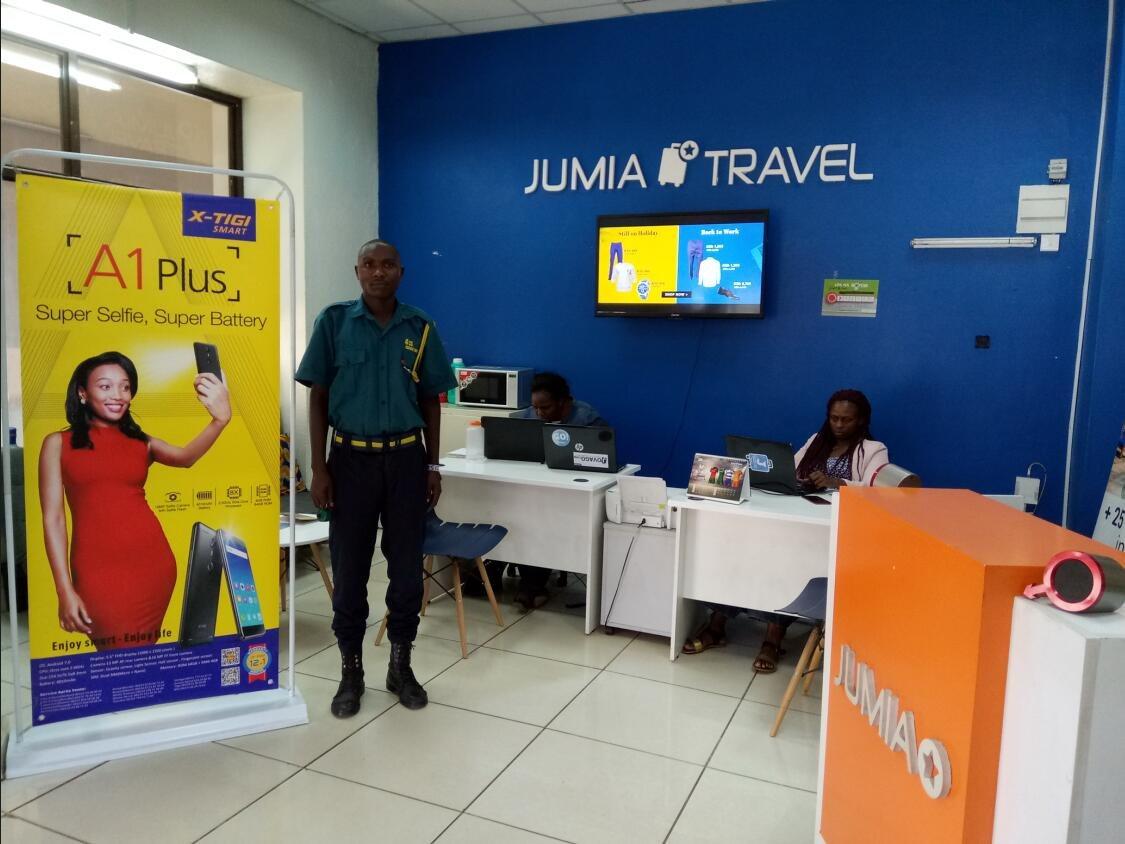
Black Friday lands on 27 November, but Jumia Ghana didn't wait for it. Its 14th Black Friday campaign opened on 30 October and runs through the month, MyJoyOnline reports, with daily deals, flash sales at set times, and brand days from names like Samsung, Oraimo and Nasco.
If you run a smaller business, that can feel like being told the race ended before you got to the start line. It hasn't. Your customers are already in a buying mood, and there are still weeks left. You just can't win the way Jumia wins.
Jumia isn't only selling discounts
Look past the percentages and notice what the campaign promises. You can pay by Mobile Money, card, JumiaPay, or cash on delivery on eligible items. You can have the order brought to your door or collect it at one of more than 200 pickup points, in places including Accra, Kumasi, Takoradi, Tamale, Ho and Cape Coast. If the size is wrong, there's a returns policy.
Every one of those answers a question a nervous buyer is asking. Can I pay the way I want? When will it get here? What happens if it's wrong? Most small sellers leave those questions to be asked one at a time in a chat, and some of those buyers simply don't ask. They go where the answer is already written down.

Don't fight on price
A big platform with brand sponsors can afford a discount that would wipe out your margin. Don't try. What you have that it doesn't is knowledge of your own customers, and the ability to put something together that a catalogue can't.
One well-chosen offer beats a store-wide sale. A bundle of things people already buy together, a free extra with a popular item, or early access for people who have bought from you before will all protect your margin better than knocking 30% off everything.
What to do before the 27th
Choose one offer and write it in a single sentence. If you can't, it's too complicated.
Give it a real end date and a real quantity. Only say 'limited stock' if it is. Customers notice when the 'last two' are still there next week, and they remember.
Count your stock before you post anything. Selling something you don't have is the fastest way to turn your best sales day into a week of apologies.
Write down delivery: which areas, how much, how many days. Put it on the post, not in the replies.
Write your returns rule in one line, even if the rule is 'exchange within three days, unworn'.
Decide how payment gets confirmed before the messages start coming. We wrote about why screenshots are a weak way to take MoMo, and a busy sales day is exactly when a fake one slips through.
The WhatsApp problem shows up on your best day
Selling through chats is fine at ten orders a week. On a promotion day, it's forty conversations at once, all asking the same three questions, while someone tries to match payments to names and remember who was promised what.
That's the moment a business outgrows WhatsApp. If you run a promotion this month, keep a simple count of how many messages you missed or answered too late. It will tell you more about whether you need a proper store than any article can.
Should you build a store now?
Honestly, it depends on how ready you are. If your products, prices and photos are already organised, a simple store is possible in the time left. If you'd be photographing stock and working out delivery prices as you go, don't rush it for the 27th. Run the offer on the channels you have, learn from it, and get a store in place properly for the next big selling period.
A real store gives customers what Jumia's campaign gives them: prices they can see, payment that confirms itself, and an order they can track. BossLady Klasik sells this way, with Paystack and Mobile Money at checkout. If that's where you want to be, have a look at how we build online stores or tell us what you sell.
Want help putting this into practice?
Tell us what you're working on. We reply within 24 hours with a plan and a fixed price.
Start a project